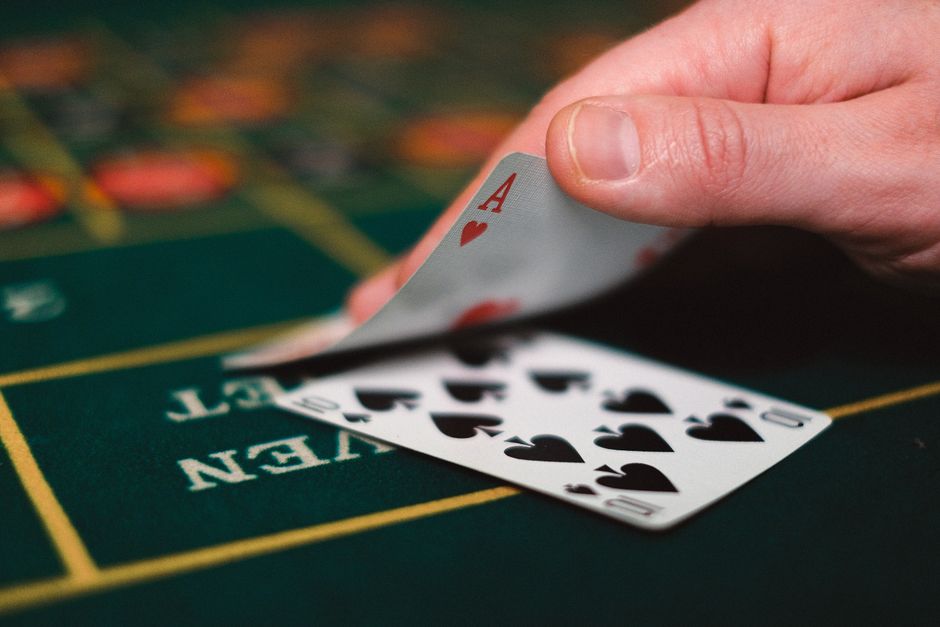
Every casino floor tells the same joke: the house always wins. And yet, millions of people log into poker rooms, spin slot reels, and place accumulators every single day. If the math is stacked against them, why bother? The answer is more interesting than the cliché. It's because igaming isn't one thing. It's a collection of games with wildly different margins, strategies, and psychological pulls, and understanding those differences is what separates a losing hobby from a genuinely enjoyable one.
The gap between a casual player and a sharp one isn't luck. It's knowledge. Sharper bettors know which games give them a fighting chance, how bonuses actually work, and when to walk away. Let's dig into what's actually happening when you click spin, raise, or bet. Take a look at mahjong slot for a fuller picture.
The House Edge, Decoded
Every game in a casino carries a built-in mathematical advantage for the operator. That's not a bug; it's the business model. But the size of that advantage varies enormously, and it's the single most important number you can learn.
- Blackjack: About 0.5% with optimal basic strategy, one of the friendliest games in the building.
- Baccarat: Roughly 1.06% on the banker bet, which is why high rollers gravitate toward it.
- European roulette: 2.7%, thanks to a single zero.
- American roulette: 5.26% — that extra double zero nearly doubles your disadvantage.
- Slots: Typically 2% to 10%, depending on the machine and jurisdiction.
Notice something? A $100 bankroll at blackjack is expected to lose about 50 cents per hand over the long run. At American roulette, it loses more than $5. That's a tenfold difference sitting right there on the same floor, and most players never think about it. Picking games wisely is the closest thing to a free lunch in a casino.
Why Slots Are the Most Misunderstood Game
Slots get mocked as mindless, and honestly, mechanically they are. There's no decision to make, no strategy to employ, no bluff to sell. But the modern slot machine is a far cry from the three-reel fruit machines of the 1970s.
Today's video slots run on random number generators (RNGs) that are tested and certified by third-party labs like eCOGRA or GLI. Modern slots often have hundreds of paylines, cascading reels, expanding wilds, and free-spin bonuses that can stretch a spin into a five-minute mini-movie. Volatility is the term that actually matters here.
- Low volatility: frequent small wins. Great for slow-burning sessions on a tight budget.
- Medium volatility: the balance most casual players default to.
- High volatility: long dry spells punctuated by big payouts. Fun if you can stomach the swings.
Two slots can share an identical RTP of 96% yet feel completely different based on volatility. Learning to match a game's volatility to your bankroll is a genuinely useful skill.
Poker: The One Game You Can Beat
Here's the key distinction nobody explains clearly enough: in most casino games, you play against the house, and math dictates your long-run outcome. In poker, you play against other people, and the house just takes a rake for hosting.
That means the math works differently. A skilled poker player at a table of weak opponents is a long-term winner. A weak player at a table full of sharks is a guaranteed donor. Position matters. Bankroll management matters. Selecting soft tables matters even more.
Three concepts every serious poker player internalizes:
- Pot odds: does the size of the pot justify the size of the call?
- Position: acting last gives you the most information before deciding.
- Table selection: the softest game in the building beats the toughest game with a bigger prize.
Play online for six months and you'll see your win rate swing wildly month to month. That's variance. Great players lose sessions, weeks, sometimes seasons. What they don't do is change their approach because of it. The skill edge is real, but it only shows up over thousands of hands.
Betting, Bonuses, and the Fine Print Trap
Sports betting exploded in a big way after US legalization, and the platitude is that the house edge is small. True — a typical NFL spread bet carries about a 4.5% margin. Much friendlier than American roulette. But the trap is the small print, not the odds.
The real danger for most online bettors belongs to wagering requirements. A "$1,000 welcome bonus" sounds generous until you read that you need to wager it 40 times at minimum odds before withdrawing anything.
Quick math on that: $1,000 bonus × 40x wagering = $40,000 in active bets before a single penny moves. At a 5% edge on each bet, you're expected to lose $2,000 chasing it. That bonus isn't a gift; it's a marketing cost baked into their acquisition budget, and they've done the math.
Other things worth checking before claiming any promo:
- Game weighting: slots often contribute 100% toward wagering; blackjack might contribute 10%.
- Max bet limits: many bonuses cap your bet size, voiding the bonus if you exceed it.
- Expiry windows: 7 to 30 days is common. Miss it, lose the bonus.
Reputable operators publish these terms up front. Shady ones bury them three pages into a PDF. That alone tells you plenty about which one deserves your money.
Smarter Play, Not Wishful Thinking
No one beats the house at their own game indefinitely. That's not pessimism; it's arithmetic. But you can absolutely get more out of igaming than the average punter, and it comes down to a handful of habits.
- Set a loss limit before you play, and actually stop when you hit it.
- Choose games with better theoretical margins when possible — blackjack over American roulette, banker over tie.
- Read the bonus terms before claiming them.
- Track your sessions. Memory lies; spreadsheets don't.
- Treat winnings as winnings only after they've left the platform.
Most regulars lose because the environment is engineered to keep them playing: flashes, sounds, auto-play buttons, free-spin reels that stretch the dopamine hit. Noticing those hooks is half the battle against bad decisions.
Closing Thoughts
The house edge is real. So is variance. So is the occasional 500x slot hit that turns a $40 deposit into a story you'll tell for years. The mature approach isn't pretending you'll beat the math — it's choosing your battles intelligently, treating igaming as entertainment rather than an income source, and knowing when the fun has quietly ended and the chasing has begun. Whether you're spinning a slot, calling a river bet, or sweating a parlay, the people who enjoy this space most tend to be the ones who understand it deepest. Do the reading, watch your limits, and let the occasional win surprise you instead of relying on it.