The first flake lands on the windscreen and the country starts texting. Snow and storm mornings in the UK have a rhythm of their own: the forecast shifts overnight, the 07:12 is cancelled by half past six, and the A-road everyone uses as a shortcut is blocked by a lorry that lost grip on a hill. None of that is within your control. What you can control is how much you know before you put your coat on.
Most ruined commutes are not ruined by the weather. They are ruined by leaving the house with yesterday's assumptions.
Read the warning, not the headline
Weather warnings come in three colours and they mean three different things. Yellow means be aware: disruption is possible, so plan around it. Amber means be prepared: disruption is likely, travel may be difficult, and it is worth seriously considering whether the journey needs to happen. Red means take action: the risk is severe, and travel should be avoided unless it is genuinely essential.
The detail matters more than the colour. Warnings are issued for broad regions, not for your postcode, so a yellow warning covering the whole south-east can mean a light dusting in one town and a closed bypass twenty miles away. Warnings also carry timings, and the timings are often the most useful part. A snow warning running from 03:00 to 11:00 points at the school run, not the journey home. One starting at 16:00 warns you about the opposite.
So open the map, check the window of time, and ask one blunt question: is the worst of this falling on the hours I actually intend to travel?
Check the network before you check the window
What is happening outside your kitchen window says almost nothing about what is happening at the far end of your journey. Snow on your street and clear roads on the motorway is a common combination. So is a dry garden and a suspended rail line half a county away.
For trains, use the National Rail Enquiries journey planner alongside your operator's app or live service updates. Operators publish amended timetables and, on the worst mornings, "do not travel" notices. Some routes are suspended early and often, particularly where trains have to climb or where points are prone to freezing, and speed restrictions ripple into delays for hours afterwards.
For roads, start with National Highways for England's motorways and major A-roads, Traffic Scotland and Traffic Wales for the devolved networks, then your local council's highways feed and gritting map. Traffic cameras are worth the extra thirty seconds: a live picture of a junction tells you more than any written summary.
Buses, trams and ferries have their own feeds, and airline disruption is best confirmed directly rather than through an airport departures board. One caution: these pages are updated constantly and sometimes lag behind reality. If your journey really matters, check twice — once before you get dressed and once at the door.
The five-minute pre-departure check
Run through this in order. It takes less time than scraping the car.
- Warning status and timing for the area you are travelling through, not just the one you live in.
- Your specific service or road — not "the trains are running", but the line, the operator and the departure.
- Your alternative, already chosen and in your head, so you are not improvising at a closed junction.
- The car: fuel or charge above half, winter screen wash, tyres and lights checked, mirrors clear.
- Your kit: charged phone, power bank, and the sort of layers that make an unexpected hour on a platform bearable.
- One person who knows your route and roughly when to expect you.
Choose the alternative before you need it
When snow settles, gritting follows a hierarchy: motorways and major A-roads first, then secondary routes, then the residential streets where most of us live. That has a practical consequence. A longer A-road is often a better bet than a shorter lane, and the steep residential hill that saves four minutes on a dry Tuesday can end your morning entirely.
Think about where a route can strand you, too. A hill with no turning place, a bridge that ices before anything else, a stretch with no signal. If the train fails, is there another operator running a parallel line, a park and ride, or a coach that gets you close enough? Knowing that in advance turns a crisis into a delay.
If you do drive
Clear every window, both mirrors, all lights and both number plates. Clear the roof as well — a slab of snow sliding forward onto your windscreen, or backwards onto the car behind, is a genuine hazard and can attract police attention.
Change out of wellington boots before you set off. Thick soles deaden the feel of the pedals, and a boot catching two pedals at once is a bad way to start the day. Leave a much longer gap than usual, brake early and gently, and treat every bridge, overpass and shaded stretch as icy until proven otherwise. Refreezing overnight is the quiet danger: roads that cleared during a mild afternoon can glaze again by dawn.
If you get stuck, stay with the car if it is safe to do so, keep the engine off unless you need warmth, and make sure the exhaust is clear of snow if you do run it.
Make the call early
Adverse weather days go better for people who asked the awkward question the night before. If your work can be done from home, say so at 21:00 rather than 07:30 — managers make better decisions when they are not under pressure. Check your workplace policy on adverse weather, and check council websites for school closures before you assume anything. If you are unsure where you stand on pay, leave or caring responsibilities, read your contract or take proper advice rather than guessing.
The decision to turn back
Set a limit before you leave the house. If the delay passes a certain point, if the road is clearly worse than forecast, if the next train is cancelled as well, then turn around while turning around is still easy. Losing an hour is irritating. Being stuck on an unlit road at nine in the morning with a flat phone signal is a different kind of day altogether.
Nothing on this morning's list is worth that. Make the decision at the kitchen table with a hot drink in your hand, not at the wheel in a queue of brake lights. That is the whole point of the checklist.
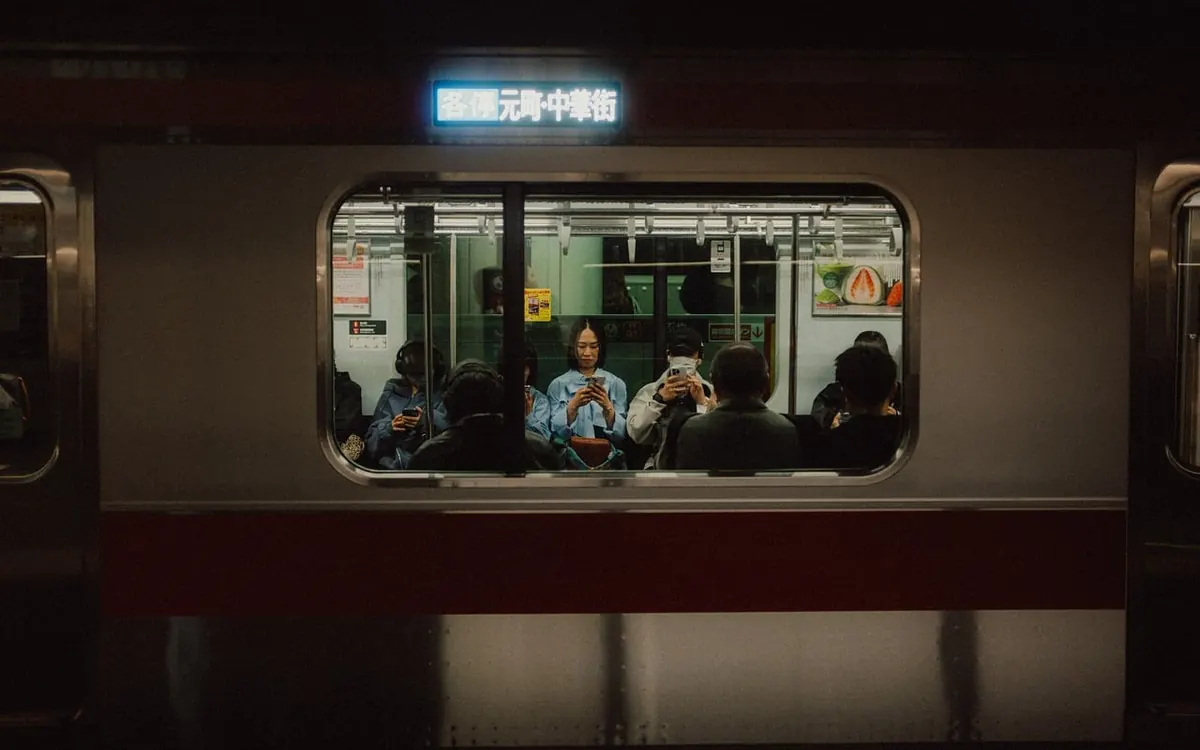
Photo: strohmi / Pixabay