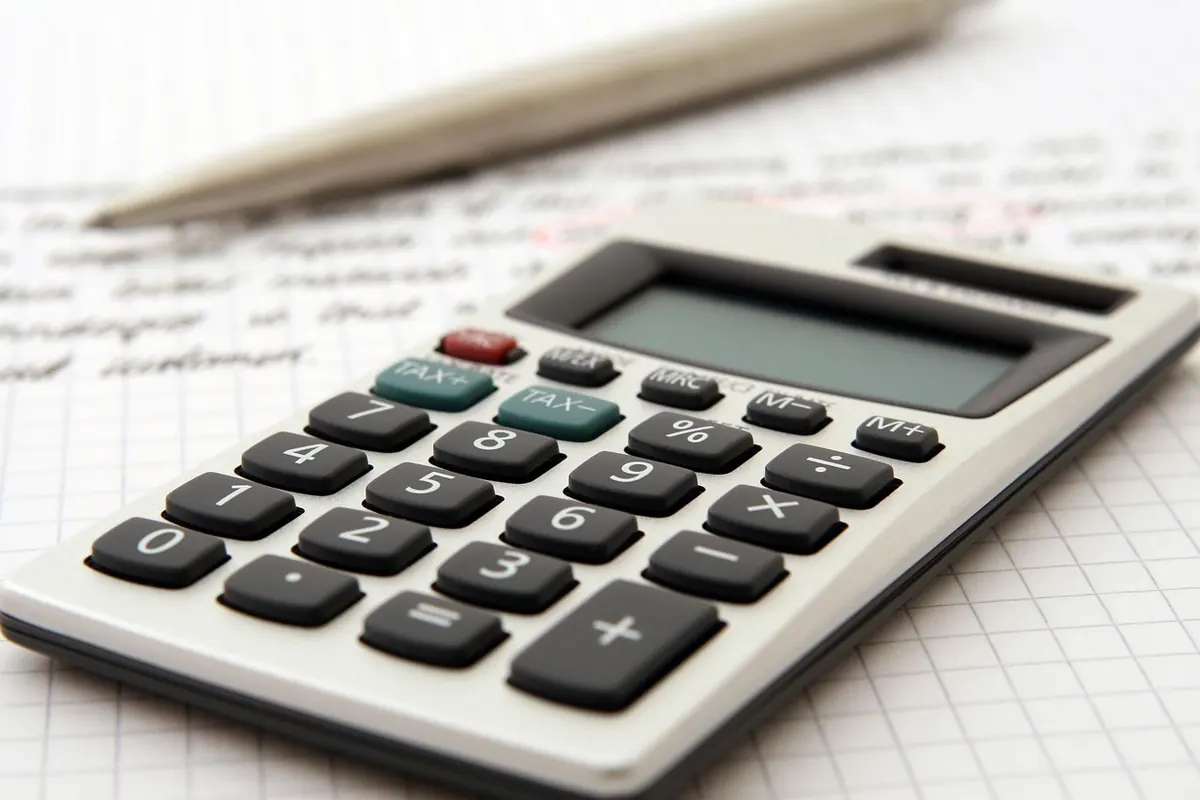
Your first Self Assessment is rarely as bad as the dread suggests. The form is short and repetitive once you've done it a single time. The difficult part is the year beforehand: knowing what counts as income, which receipts to keep, and when HMRC expects to hear from you. Get those three things straight and the return becomes an hour of admin instead of a January panic.
Who actually needs to file a return
Self Assessment is HMRC's catch-all way of taxing income that hasn't already been taxed at source. For freelancers, it usually bites once trading income goes over the £1,000 trading allowance. Below that, you generally don't need to declare it at all.
Beyond self-employment, you may also need to file if you have:
- rental income that isn't covered by the property allowance;
- dividends or savings interest above the relevant allowances;
- foreign income;
- gains from selling shares, property or other assets;
- child benefit that's partly clawed back through the High Income Child Benefit Charge.
Not sure which applies to you? HMRC runs a short online tool that asks a handful of questions and gives a yes or no. Use it before you assume either way.
Registering: the part people leave too late
You must tell HMRC you've become self-employed by 5 October of the year after the tax year in which you started. Begin trading in June 2025 and your registration deadline is 5 October 2026. HMRC's tax year runs 6 April to 5 April, which is why the dates look strange at first glance.
The process is straightforward but not instant:
- Set up a Government Gateway user ID, or sign in if you already have one.
- Tell HMRC you're self-employed and request a Unique Taxpayer Reference, known as a UTR.
- Wait for the UTR to arrive by post — usually within ten working days, longer if you're registering from abroad.
- Enrol for Self Assessment using the UTR, then decide whether to file online or on paper.
The UTR is the key to everything that follows. Store it somewhere you'll still find it in three years, and don't email or post it around. Lose it and you'll need to request a replacement.
Working out your profit
You're taxed on profit, not turnover. Profit is your business income minus your allowable expenses. Most sole traders now use the cash basis by default, which means you count money when it actually comes in or goes out, rather than when you invoice or receive a bill. That suits freelancers, whose income tends to arrive in unpredictable lumps.
Two things worth knowing. If your turnover is under £1,000, the trading allowance covers you and there's nothing to declare. And if your expenses are tiny — a few hundred pounds of software and a second-hand laptop, say — you can claim the £1,000 trading allowance instead and skip the receipts entirely. Work out both routes and use whichever gives the lower taxable profit.
What you can and can't claim for
The test is whether a cost was incurred wholly and exclusively for the business. Claims that typically hold up include:
- software, subscriptions and cloud storage you use for work;
- a fair proportion of broadband, phone and heating if you work from home;
- business insurance and professional memberships;
- advertising, website hosting and marketing;
- travel to client sites or temporary workplaces, but not your daily commute;
- tools, equipment and materials, with larger items usually claimed over several years;
- accountancy fees and bank charges on a business account;
- training that updates a skill you already use to earn money.
What generally doesn't: client entertaining and gifts, ordinary clothing even if you only wear it for work, fines, and anything you'd have bought anyway. If you use your own car, you can claim a mileage rate rather than tracking every fuel receipt — check the current figures on GOV.UK, as rates change. Keep receipts and bank records for at least five years after the filing deadline, because HMRC can ask to see them.
Payments on account, and the January double bill
This catches out almost every first-timer. If your tax bill for the year tops £1,000, HMRC asks for money in advance for the following year, in two instalments called payments on account. Each is half of the previous year's bill.
The practical effect is that your first January payment can come to roughly 150% of what you actually owed for the year just gone. It isn't a penalty or a mistake, just an advance. If your income has fallen, you can apply to reduce the payments, but only down to what you genuinely expect to owe — HMRC charges interest on any shortfall.
Set money aside as it arrives. A separate savings pot that takes a slice of every invoice is dull advice and the single thing that makes January survivable.
The deadlines worth putting in your calendar
- 5 October — register for Self Assessment if you've newly become self-employed.
- 31 October — deadline for a paper return.
- 31 January — deadline for online returns, and the date your tax must be paid.
- 31 July — second payment on account, if you make them.
Miss the filing deadline and penalties start at £100, rising the longer you leave it. Miss the payment deadline and interest builds from day one, with further charges if it drags on. Both are avoidable. Nothing stops you submitting in April, and filing early tells you exactly how much to put aside.
A routine that keeps it manageable
Open a second bank account and run every piece of business income and spending through it. It isn't a legal requirement, but it turns a shoebox of receipts into a clean list you can reconcile in twenty minutes. Photograph receipts the day you get them, note your mileage as you go, and set aside one short session a month to categorise what's come in. By the time January arrives, the return is mostly a copy-and-paste job.
Before you file, check you've included everything: total income, total expenses, any other income such as rent or dividends, pension contributions, Gift Aid donations and student loan repayments. Rates, thresholds and allowances change most years, so confirm the current ones on GOV.UK rather than relying on last year's numbers or a forum post from 2019.
One forward-looking note: Making Tax Digital for Income Tax is being introduced in stages, starting with larger sole traders and landlords, which will mean keeping digital records and filing quarterly updates. If your turnover is growing, it's worth reading up on now rather than later.
Finally, know when to get help. Straightforward freelancing income with modest expenses is well within most people's reach. Property, dividends, overseas clients, a mix of employment and self-employment, or a year with a large one-off payment is a different matter — and an accountant's fee is often cheaper than the mistakes. This is general guidance rather than tax advice, so if your situation is complicated or the sums are significant, speak to a qualified professional.
Photo: Shutterbug26 / Pixabay